NEXPHORIA
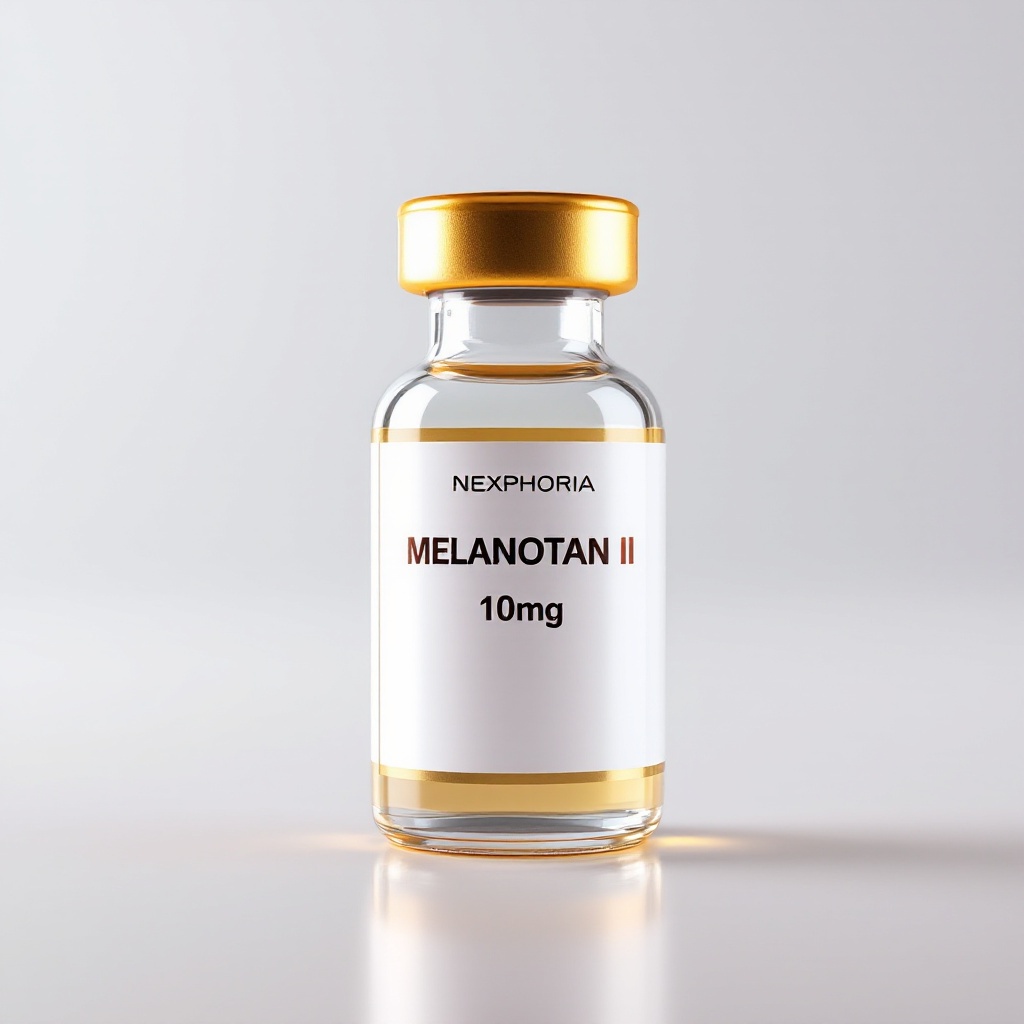
Melanotan-II
Cyclic melanocortin agonist. Melanocyte stimulation and autonomic research.
Purchase Type
Fresh cold-chain delivery every 30 days
Format
For Research Use Only — Not For Human Consumption
This compound is sold exclusively for qualified research purposes. Not approved by the FDA for therapeutic use.
Melanotan-II (MT-II) is a cyclic analog of alpha-melanocyte-stimulating hormone (α-MSH), developed at the University of Arizona by Victor Hruby's group in the early 1980s. The lactam bridge (Asp-Lys) confers conformational rigidity, improving metabolic stability and receptor binding affinity relative to the linear α-MSH sequence.
Complete Your Protocol
Related compounds.
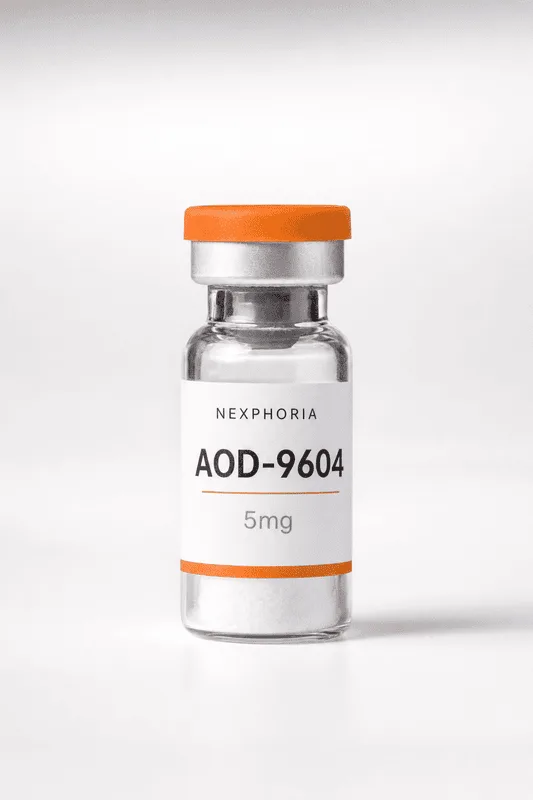
Side-by-Side Analysis
Compare Melanotan-II with Similar Compounds
View purity, MW, storage, and pricing side by side.
Frequently Bought Together
Complete Your Protocol
Researchers commonly order these compounds together. Convenient multi-compound ordering.
Wellness
This itemMelanotan-II
10mg
$48
Wellness
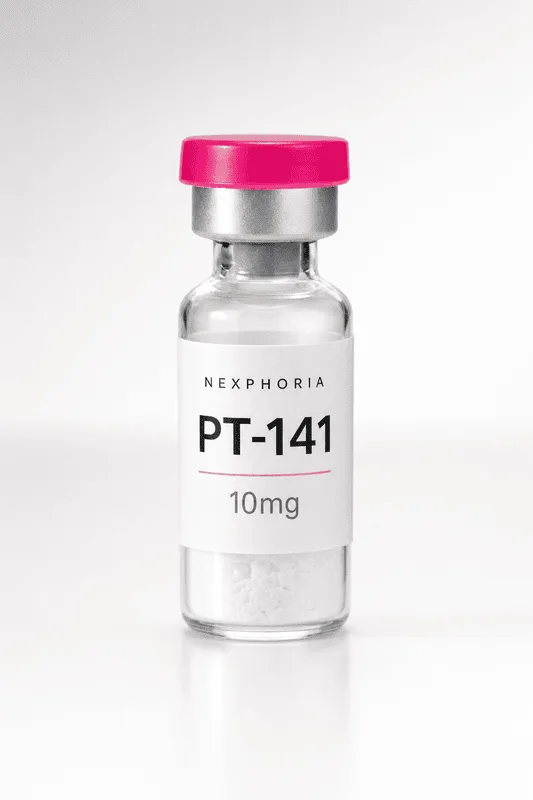
RecommendedPT-141
10mg
$54
Wellness
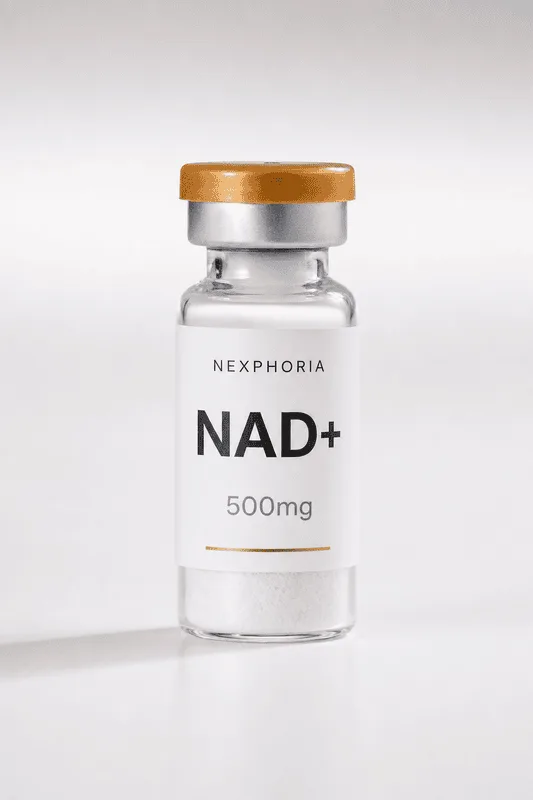
NAD+
100mg
$30
3 items selected
Uncheck any item to customize your bundle. Discount applied automatically at checkout.
Research Journal
Related Research Articles
Melanotan II: Melanocortin Research Review
A comprehensive research review of Melanotan II — cyclic heptapeptide structure, MC1R/MC3R/MC4R binding affinity, melanogenesis mechanism, sexual arousal via MC4R/PVN oxytocin, tanning study data, nausea profile, IP/SC dosing protocols, and storage considerations.
PT-141 (Bremelanotide): Melanocortin Research Review
A research-focused review of PT-141 (bremelanotide) — MC1R/MC4R pharmacology, hypothalamic arousal signaling versus PDE5 inhibitors, RECONNECT trial data, preclinical rodent studies, SC vs intranasal bioavailability, dosing protocols, and side-effect profile.
KPV: The Immunomodulatory Tripeptide
A research-focused guide to KPV — its origin as the C-terminal fragment of alpha-MSH, MC1R/MC3R binding without pigmentation, NF-κB inhibition, anti-inflammatory cytokine suppression, intestinal mucosal research models, oral stability, and design considerations for immunology and GI research.